Korean Bibimbap
Highlighted under: Local Recipes
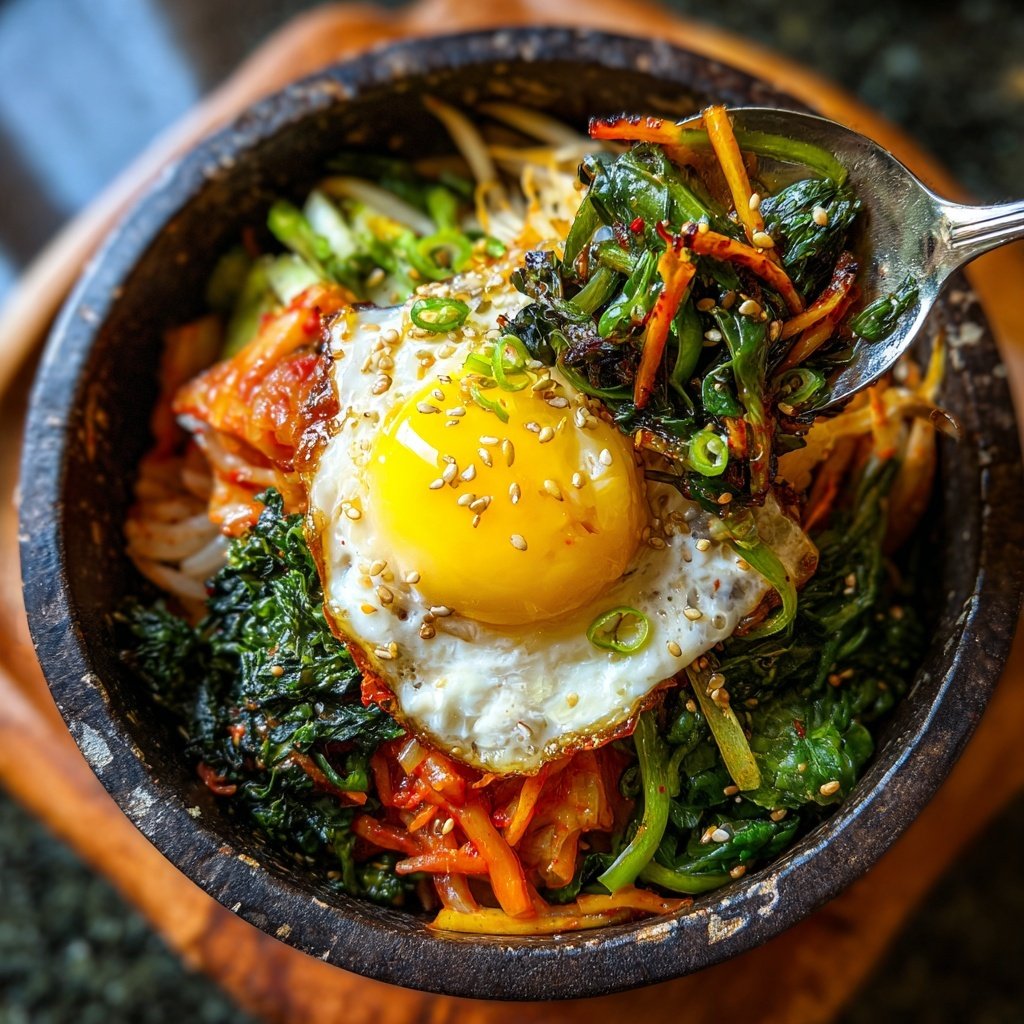
Experience the vibrant flavors of Korea with this traditional Bibimbap, a mixed rice dish topped with an assortment of vegetables and protein.
Bibimbap, a beloved Korean dish, is not just a feast for the eyes but also a delicious blend of flavors and textures. It's perfect for a quick meal or a family gathering.
Why You'll Love This Recipe
- A colorful array of fresh, seasonal vegetables
- Customizable with your choice of protein
- Deliciously topped with a spicy gochujang sauce
The Essence of Bibimbap
Bibimbap, which translates to 'mixed rice,' is a quintessential Korean dish that perfectly embodies the country's culinary philosophy. The harmony of flavors, colors, and textures creates a delightful experience for the palate. Traditionally served in a hot stone bowl, Bibimbap allows the rice to crisp at the bottom while the vibrant vegetables and toppings create a beautiful presentation. This dish not only satisfies hunger but also nourishes the body with its array of fresh ingredients.
The beauty of Bibimbap lies in its versatility. You can customize it based on the season and your dietary preferences. Whether you prefer vegetarian, vegan, or meat-based options, the choice of ingredients can be tailored to suit your taste. This adaptability makes Bibimbap a favorite among food enthusiasts, as it can be enjoyed in countless variations, each reflecting the creativity of the cook.
Nutritional Benefits
Bibimbap is not only a feast for the eyes but also a nutritious meal packed with essential vitamins and minerals. The assortment of vegetables provides a range of health benefits. For instance, spinach is rich in iron and vitamins A and C, while carrots contribute beta-carotene, an antioxidant known for promoting good vision. This colorful dish encourages the consumption of a variety of vegetables, making it a wholesome choice for health-conscious eaters.
Furthermore, the addition of protein, whether it be eggs, tofu, or meat, enhances the dish's nutritional profile. Eggs are an excellent source of protein and healthy fats, while tofu serves as a great plant-based alternative. By incorporating a balanced mix of carbohydrates, proteins, and fats, Bibimbap can be a satisfying meal that supports overall well-being.
Serving Suggestions
Bibimbap is best enjoyed fresh and hot, but it can also be customized to fit various dining occasions. For a casual family dinner, serve the ingredients separately and let everyone assemble their bowls to their liking. This interactive element adds a fun twist to mealtime, encouraging creativity and personal preference. You can even set up a Bibimbap bar with an assortment of toppings and sauces for guests to enjoy.
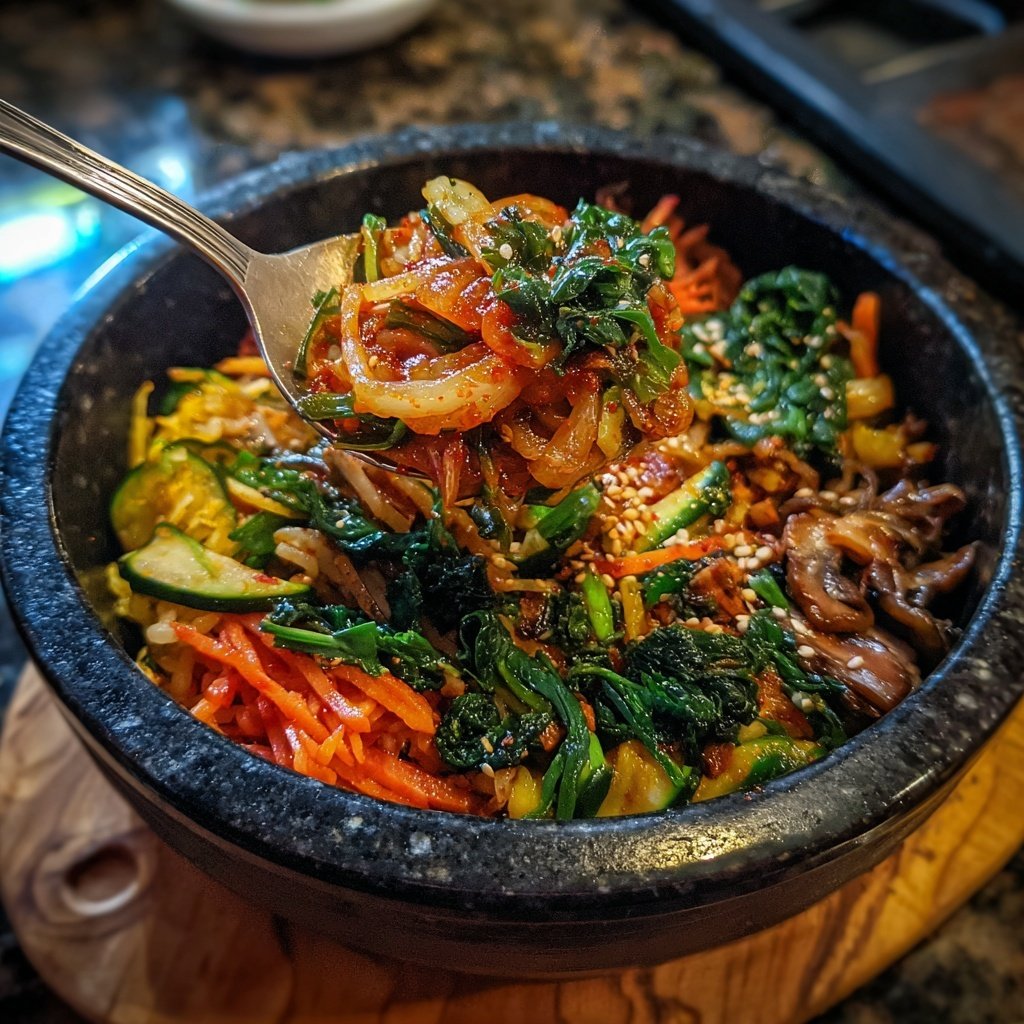
For a more formal setting, consider serving Bibimbap in individual stone bowls for an authentic touch. The sizzling sound of the rice as it cooks in the bowl creates a memorable dining experience. Pair your Bibimbap with traditional side dishes such as kimchi or pickled vegetables to complement the meal, adding depth and variety to the flavors.
Ingredients
Gather the following ingredients to prepare your Korean Bibimbap:
Ingredients
- 2 cups cooked white rice
- 1 cup bean sprouts
- 1 cup spinach, blanched
- 1 cup mushrooms, sliced
- 1 carrot, julienned
- 1 zucchini, julienned
- 4 eggs
- 4 tablespoons gochujang (Korean chili paste)
- 2 tablespoons sesame oil
- 2 tablespoons soy sauce
- Sesame seeds for garnish
- Green onions, sliced for garnish
Make sure to have everything prepped and ready to go for a smooth cooking experience!
Instructions
Follow these steps to create your delicious Bibimbap:
Prepare the Vegetables
In a pan, heat sesame oil over medium heat. Sauté each vegetable (bean sprouts, spinach, mushrooms, carrots, zucchini) separately until tender, seasoning lightly with soy sauce.
Cook the Eggs
In another pan, fry the eggs sunny-side up, keeping the yolk runny for a rich flavor.
Assemble the Bibimbap
In a bowl, place a serving of rice at the bottom. Arrange the sautéed vegetables and fried egg on top. Drizzle with gochujang and garnish with sesame seeds and green onions.
Serve
Mix everything together before eating to combine the flavors. Enjoy your homemade Bibimbap!
Serve hot and enjoy this delightful Korean dish!
Pro Tips
- Feel free to add your choice of protein such as beef, chicken, or tofu to make it even heartier.
Storing Leftovers
If you have leftover Bibimbap, storing it properly is essential to maintain its freshness. The best method is to separate the ingredients before refrigerating. Store the rice, vegetables, and proteins in airtight containers, and keep the gochujang sauce in a separate jar. This way, you can enjoy the flavors as if it were freshly made when you reassemble it later.
When reheating, add a splash of water to the rice to prevent it from drying out, and heat it gently in the microwave or on the stovetop. Reheat the vegetables separately to retain their texture and flavor. This approach ensures you can savor the deliciousness of your homemade Bibimbap for another meal.
Tips for Perfect Bibimbap
To achieve the best flavor and texture in your Bibimbap, consider using short-grain rice, which is stickier and holds together well. This type of rice is the traditional choice in Korea and adds to the overall experience. If you're feeling adventurous, try incorporating different grains like quinoa or brown rice for added nutrition and a unique twist on the classic dish.
Another tip is to experiment with various vegetables depending on the season. Ingredients like bell peppers, radishes, or even kimchi can add exciting flavors and textures to your Bibimbap. Don't be afraid to get creative with your toppings; the more variety, the more enjoyable your meal will be!
Questions About Recipes
→ Can I make Bibimbap ahead of time?
Yes, you can prepare the vegetables and rice in advance, but it's best to assemble and serve it fresh.
→ What can I substitute for gochujang?
You can use sriracha or a mix of red pepper flakes with miso paste as an alternative.
→ Is Bibimbap vegan-friendly?
Yes, simply omit the egg and use tofu or additional vegetables.
→ Can I use brown rice instead of white rice?
Absolutely! Brown rice adds a nuttier flavor and is a healthier option.
Korean Bibimbap
Created by: Naomi Ashcroft
Recipe Type: Local Recipes
Skill Level: Intermediate
Final Quantity: 4 servings
What You'll Need
Ingredients
- 2 cups cooked white rice
- 1 cup bean sprouts
- 1 cup spinach, blanched
- 1 cup mushrooms, sliced
- 1 carrot, julienned
- 1 zucchini, julienned
- 4 eggs
- 4 tablespoons gochujang (Korean chili paste)
- 2 tablespoons sesame oil
- 2 tablespoons soy sauce
- Sesame seeds for garnish
- Green onions, sliced for garnish
How-To Steps
In a pan, heat sesame oil over medium heat. Sauté each vegetable (bean sprouts, spinach, mushrooms, carrots, zucchini) separately until tender, seasoning lightly with soy sauce.
In another pan, fry the eggs sunny-side up, keeping the yolk runny for a rich flavor.
In a bowl, place a serving of rice at the bottom. Arrange the sautéed vegetables and fried egg on top. Drizzle with gochujang and garnish with sesame seeds and green onions.
Mix everything together before eating to combine the flavors. Enjoy your homemade Bibimbap!
Extra Tips
- Feel free to add your choice of protein such as beef, chicken, or tofu to make it even heartier.
Nutritional Breakdown (Per Serving)
- Calories: 550 kcal
- Total Fat: 22g
- Saturated Fat: 5g
- Cholesterol: 186mg
- Sodium: 700mg
- Total Carbohydrates: 72g
- Dietary Fiber: 4g
- Sugars: 4g
- Protein: 18g